
Offline gambling versus online Which offers better odds
The Landscape of Gambling: An Overview
Gambling has evolved significantly over the years, transitioning from traditional offline venues to an expansive online ecosystem. In offline gambling, players visit casinos or betting shops, where they engage in various games such as poker, slots, or sports betting. This face-to-face interaction offers a social experience that many players cherish, contributing to the ambiance and excitement of the casino atmosphere. However, the rise of digital platforms has brought a new dimension to the world of gambling, allowing players to access their favorite games from the comfort of their homes. If you’re interested in exploring innovative venues, you can start here for more options.

With online gambling, players can enjoy a variety of gaming options, often with greater convenience. They can access numerous casinos, each offering different odds, bonuses, and gaming experiences without geographical limitations. This shift has made gambling more accessible, allowing individuals who may not live near a casino to engage in games they enjoy. Yet, the question remains: which method ultimately offers better odds for players looking to maximize their chances of winning?
Understanding the dynamics between offline and online gambling is crucial for informed decision-making. Each platform has its own set of advantages and disadvantages that can affect the odds of winning. While traditional casinos provide a tangible experience, online casinos offer a plethora of options and often more competitive odds, making it essential to analyze both avenues critically.
Odds in Offline Gambling
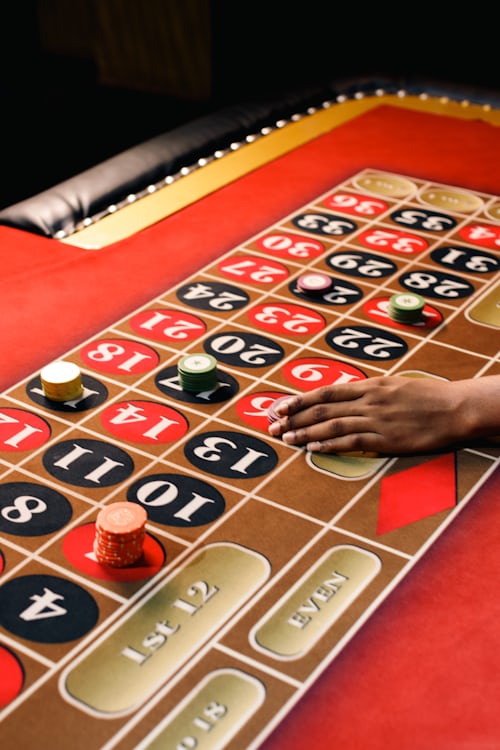
In offline gambling, the odds are typically determined by the games offered and the house edge associated with each game. Casinos usually have a set percentage they retain from each bet, known as the house edge. For example, in a game like blackjack, the house edge can be as low as 0.5% if played optimally. This means that players have a higher probability of winning compared to games with higher house edges, such as slot machines. Knowing these odds can help players make informed choices when betting.
Moreover, offline casinos often provide a variety of games, each with its own set of odds. Players can capitalize on certain games where they might have a better understanding or skill level, further improving their chances of winning. Interaction with live dealers and other players can also influence the experience, as players might feel more engaged in a physical setting. This interaction can lead to more strategic play, especially in games that involve skill rather than just chance.
However, the limitations of offline gambling must also be acknowledged. Players are confined to the odds and opportunities available within a specific casino, which may not always be the most favorable. Additionally, factors such as table limits and player traffic can affect the overall experience, potentially reducing the chances of winning based on situational constraints.
Odds in Online Gambling
When it comes to online gambling, the odds can be more favorable in several ways. Online casinos often have lower operating costs compared to their offline counterparts, enabling them to offer better odds and more generous bonuses to attract players. For instance, many online platforms provide welcome bonuses, free spins, or cash-back offers, which can significantly enhance a player’s bankroll. These promotions increase the potential for winning without requiring additional financial commitment.
Furthermore, online gambling platforms typically host a wider variety of games with various odds. Players can easily switch between different casinos and games, allowing them to find the most favorable odds available. Whether it’s progressive jackpots, video slots, or live dealer games, the multitude of options means that players can optimize their chances based on their preferences and skills.
Another significant advantage of online gambling is the ability to access real-time statistics and payout percentages. Many online casinos display their Return to Player (RTP) percentages for each game, allowing players to make informed decisions based on empirical data. This transparency can lead to smarter betting strategies, giving online players a better chance of maximizing their odds compared to the more static nature of offline gambling.
The Psychological Factors at Play
Psychology plays a critical role in gambling, influencing how players perceive odds and make decisions. In offline gambling, the physical environment can enhance emotions, potentially leading to impulsive behavior or reckless betting. The thrill of being in a casino, combined with peer pressure or the excitement of winning, can cloud judgment, impacting players’ ability to evaluate odds rationally.
Conversely, online gambling often provides a more controlled environment where players can take time to analyze their choices. The absence of immediate social pressures allows for more thoughtful decision-making, enabling players to review strategies and odds thoroughly. However, the risk of isolation may also lead to overconfidence, where players might underestimate the importance of the house edge.
Additionally, online gambling platforms often incorporate gamification elements, such as leaderboards and achievements, which can influence player behavior. These factors can skew perceptions of odds, creating a sense of false security. Understanding these psychological influences is essential for both offline and online players to make more informed betting decisions and improve their overall gambling experience.
The Future of Gambling: Trends and Innovations
The future of gambling is poised to undergo significant transformations, largely driven by technological advancements and changing player preferences. Innovations such as virtual reality (VR) and augmented reality (AR) are set to enhance the offline gambling experience, creating immersive environments that blend physical casinos with digital features. This could attract a new generation of players who seek interactive and engaging experiences.
Online gambling is also evolving rapidly, with the integration of blockchain technology and cryptocurrencies. These advancements promise increased transparency and security, enabling players to engage in anonymous transactions while benefiting from provably fair gaming. As more players embrace these technologies, the competition between online and offline platforms will likely intensify, compelling both sectors to adapt to consumer demands.
Moreover, the rise of mobile gaming cannot be overlooked. With the increasing reliance on smartphones, players now prefer convenient gaming solutions that allow them to gamble on the go. This trend indicates that online gambling may continue to dominate the market, offering better odds and accessibility for players around the world. Understanding these trends will be vital for those looking to navigate the gambling landscape effectively in the coming years.
Conclusion: Weighing Your Options
In the battle between offline and online gambling, both platforms have their unique advantages and limitations regarding odds and overall experience. While traditional casinos offer a rich social atmosphere and strategic gameplay opportunities, online platforms provide a broader range of options, better odds, and convenience. Players must evaluate their personal preferences, risk tolerance, and gaming goals to determine which method suits them best.
Additionally, understanding the odds associated with different games, as well as the psychological factors involved, can greatly enhance one’s gambling experience. As the gambling landscape continues to evolve with technological advancements, staying informed about new trends and innovations is crucial. This knowledge can empower players to make smarter choices, ultimately improving their chances of success.
Ultimately, whether players choose offline or online gambling, the key is to approach the activity responsibly and enjoyably. Engaging in well-researched strategies and remaining aware of the odds will help players maximize their experiences, ensuring that their time spent gambling is both entertaining and potentially rewarding.